
Social Bordering
Social bordering refers to boundaries enacted between different groups of people, exercising power to demarcate “us” from “them.” While boundaries can be found in everyday life, social bordering is backed by the state through bureaucratic practices.
In this study, social bordering includes policies and practices where one or more forms of discrimination affect a parent’s ability to obtain a birth certificate and citizenship for their child. Discrimination can be based on gender, race, ethnicity, sexuality, migration status, ability, and/or religion of the parents, particularly the birthing parent. Those experiencing multiple forms of discrimination are more likely to birth children who are stateless.
Social Bordering in Action
Bangladesh illustrates how social bordering against an ethnic minority group continues to happen through discriminatory birth registration practices. Ethnic discrimination against Biharis, an Urdu-speaking minority group ‘stranded’ in Bangladesh, prevents them from accessing birth certificates for their children. Most Urdu-speakers descend from Muslim minority groups primarily from the Indian state of Bihar who migrated to what was then East Pakistan (later Bangladesh) following the partition of British-India in 1947. Upon Bangladeshi independence in 1971, Urdu-speakers became ‘stranded’ in Bangladesh, which is why they are often known colloquially as ‘stranded Pakistanis.’
The community has gone through a traumatic trajectory of statelessness. Even after legal recognition of their citizenship, Urdu-speaking Bangladeshi citizens suffer ethnic discrimination when seeking documentary proof of citizenship and accessing associated rights. When Biharis apply for birth certificates, social borders materialize in the encounter with Bangladeshi authorities in the form of ethnic discrimination. Since the majority of the Bihari community have been spatially contained in camps for generations, using a camp address to apply for birth certificates or other identity documents triggers administrative confusion. These factors perpetuate intergenerational statelessness among Urdu speakers in Bangladesh.
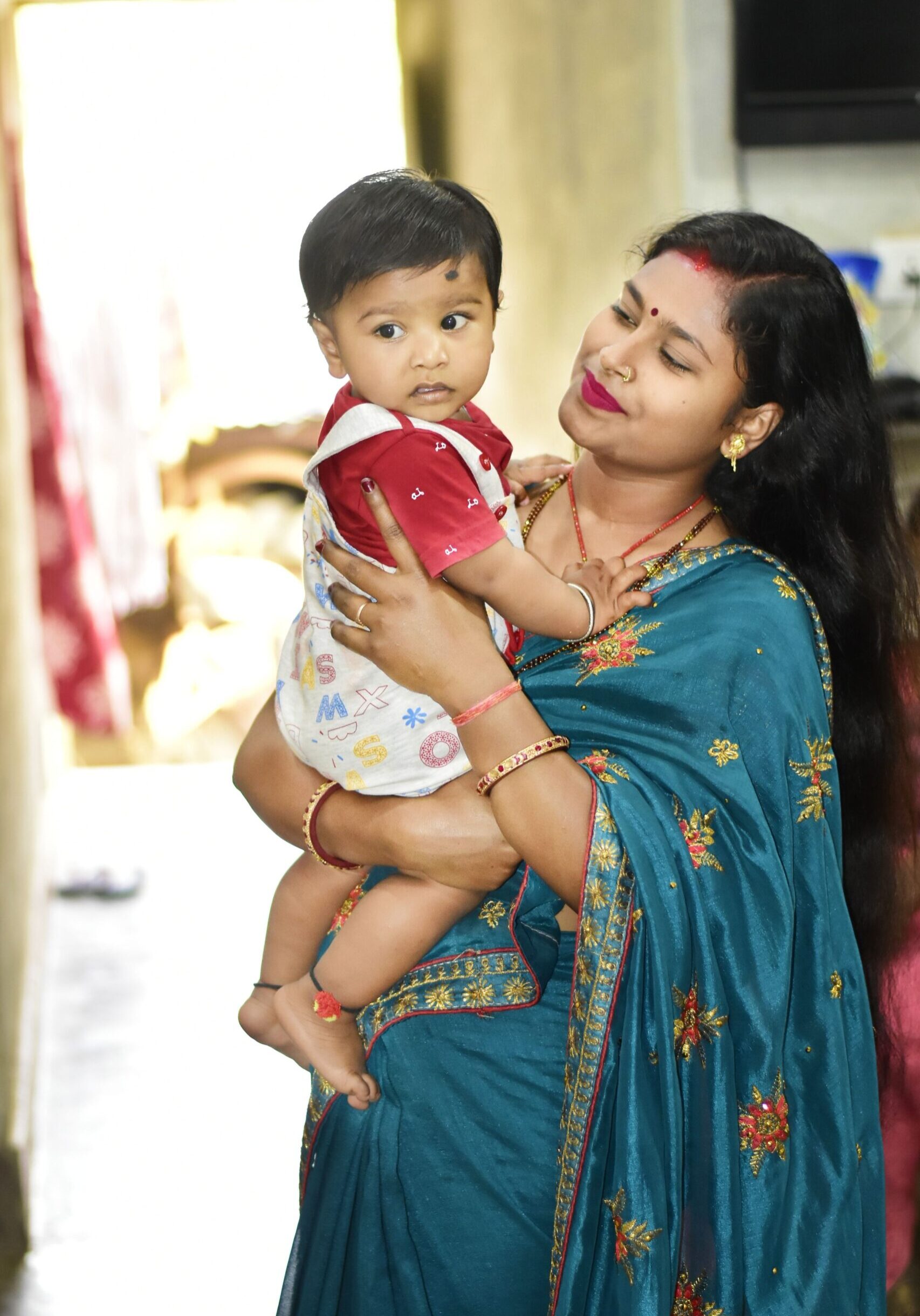
Photographer: Dharmjeet Kumar