
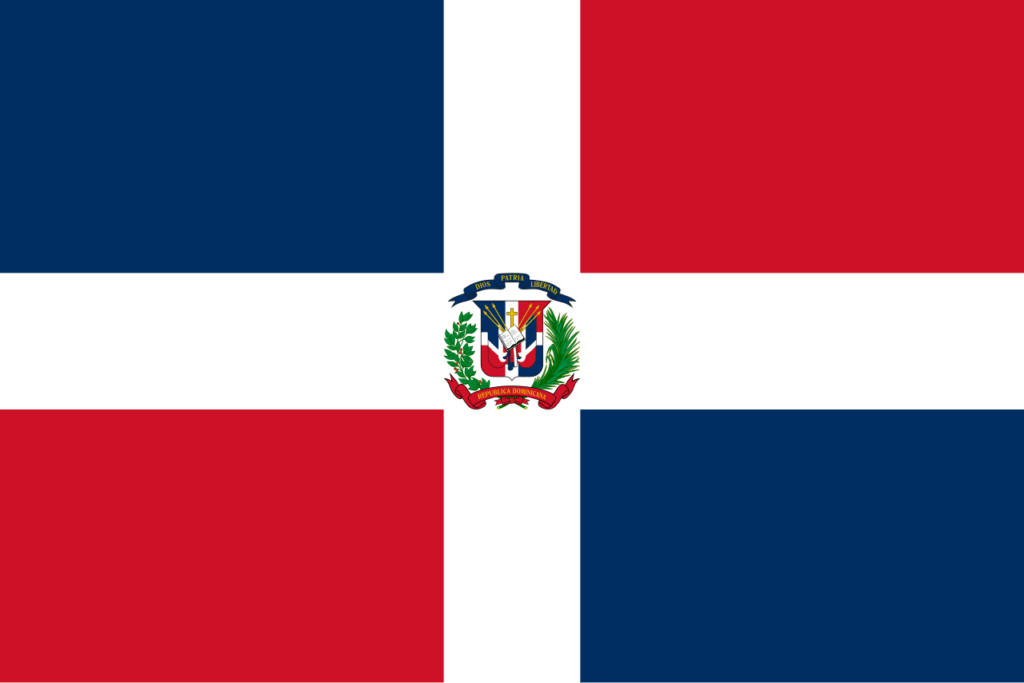
Dominican Republic
Temporary identity, migration management, and statelessness solutions
In the Dominican Republic, in 2014 temporary regularization drives targeted at Haitian descended people caused issues for birth registration. Haitian-descended people were retroactively denaturalized in 2004 and 2013. For Haitian migrants and Haitian-descended people who had been denaturalized, temporary regularization drives were run. The drives were short, with the drive for the subgroup of Haitian descended people who had never had their births registered in the first place only running for 90 days. Very few were ever actually naturalized through the drives, with most falling back out of status. For parents of Haitian nationality, the Regularization Plan facilitated registration only for those children who were born while their regularization card was valid (one year, renewable), and not necessarily for late birth declaration of children born earlier or later. The CRPD (2015), CESCR (2016), CRC (2023), and the Human Rights Council (2019, 2024) have issued recommendations regarding the implementation of naturalization/regularization procedures. This shows how temporary forms of identification for parents can create integenerational statelessness for children.
Additional Documentation
Dominican Republic Law No. 1683 of 16 April 1948 Relating to Naturalisation
CRPD 2015 Concluding Observations 1st Report CRPD/C/DOM/CO/1
Human Rights Council 2019 Report of the Working Group on the UPR Dominican Republic A/HRC/41/16
Human Rights Council 2024 Report of the Working Group on the UPR Dominican Republic A/HRC/57/16
CRC 2023 Concluding Observations 6th Report Dominican Republic CRC/C/DOM/CO/6
CLADEM 2020 Alternative Report CEDAW Dominican Republic INT_CEDAW_CSS_DOM_44125_E
Bordering Practice
Temporal
Region
Americas