
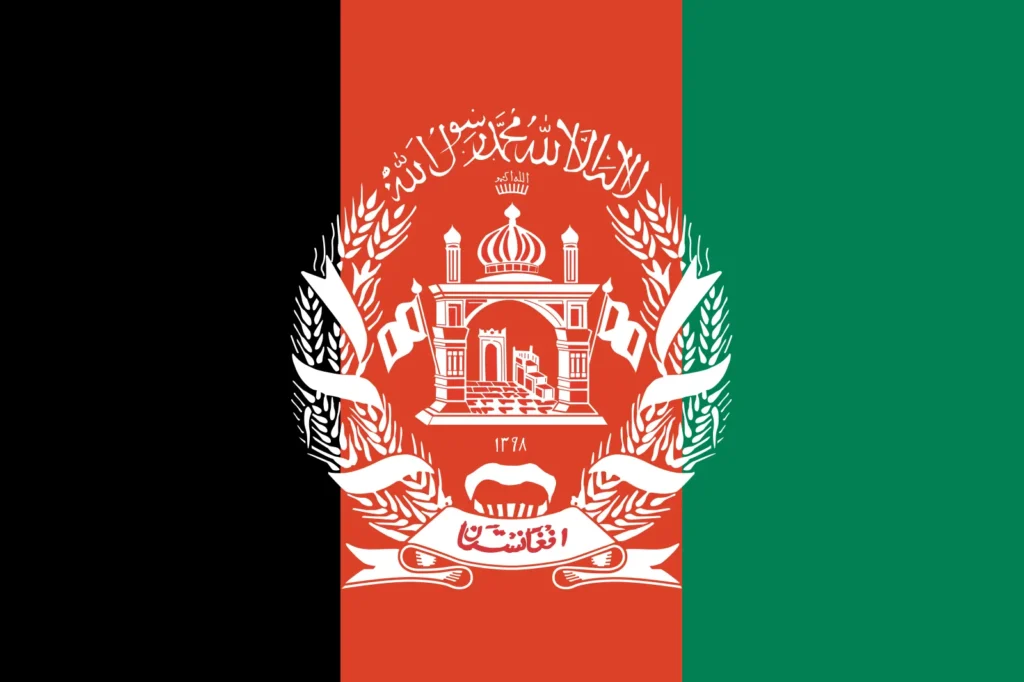
Afghanistan
Gender inequality in women's independent access to their own ID
In Afghanistan, for a woman to obtain a tazkira (ID document), the tazkira of a male family member on the father’s side must be presented. A 2018 NGO submission to CEDAW explained that many men do not allow female family members to obtain identity documentation, especially in remote areas, and that some women had been unaware of their right to obtain one. There are administrative barriers/corruption faced by women heads of households, widows, divorcees and internally displaced and returnee women in obtaining identity cards. Those groups of women, who do not have ready access to male tutelage, have difficulties engaging in public life and managing family matters, including birth registration for children. In 2020, CEDAW recommended that Afghanistan amend its Civil Registration Law to remove barriers faced by women in obtaining identity documents.
Since the Taliban returned to power in 2021, the fundamentalist leaders have steadily attempted to erase women and girls from public life. Afghanistan’s 2025 report to CEDAW recognized that tazkira is vital to women’s economic participation and an essential achievement of women. However, the same report cited survey data which found that all matters, including citizenship, are controlled by men.
Additional Documentation
Afghan Women’s Network (2018) Shadow Report to CEDAW
Afghanistan (2019) 3rd Report to CEDAW
CEDAW (2020) Concluding Observations, 3rd Report Afghanistan
Human Rights Watch (2020) Afghan Women Win the Fight for their Own Identity
OHCHR (2022) Afghanistan Taliban Attempting to Steadily Erase Women and Girls from Public Life
OHCHR (2022) Afghanistan End Destructive Destabilizing Policies Against Women, Türk Urges
Bordering Practice
Social
Region
Asia and the Pacific