
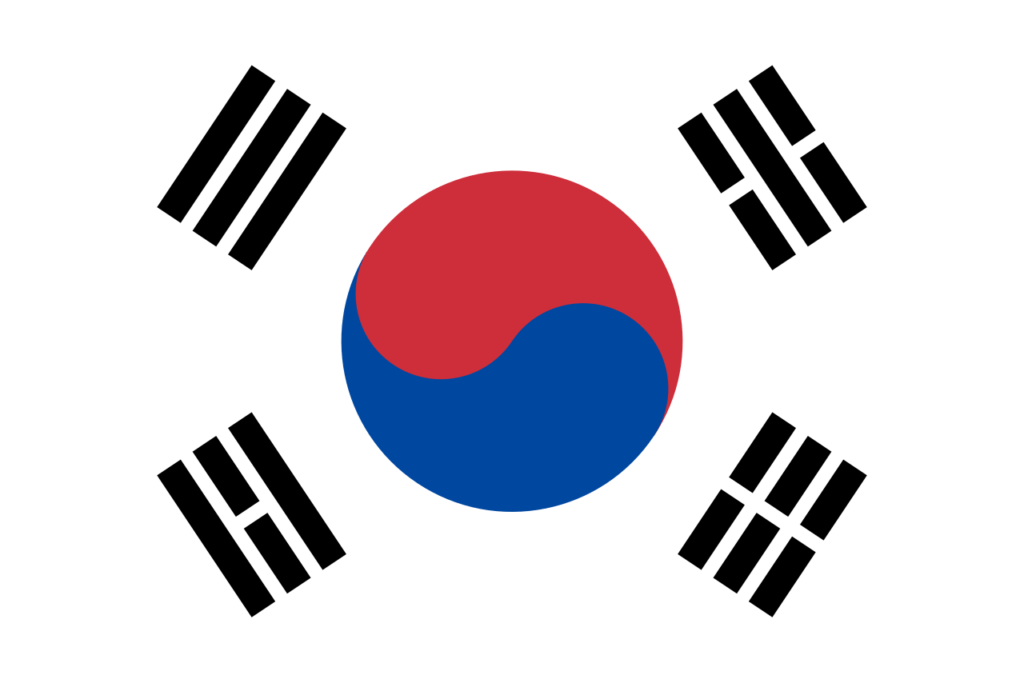
South Korea
Legal and administrative obstacles for foreign parents with precarious status
In South Korea, the government has refused to register births of children of foreign nationals with precarious status (undocumented migrants, refugee applicants, humanitarian status holders, and refugees). In 2017, the UNHCR reported that even if children of foreigners were given a birth notification document, they were unable to register their children through the family register. The Korean government has previously granted children of foreigners “sojourn status”; however, they are still documented under the pretext of immigration control rather than universal birth registration. Children born to foreign parents cannot be granted citizenship, and become stateless if unable to claim citizenship in their parents’ home country. With more than 200,000 undocumented immigrants, the National Human Rights Commission of Korea believes there are about 20,000 stateless children in Korea. Some undocumented parents have gone as far as to give up their children for adoption, register them using false identities, or abandon their children to ensure that the child gains South Korean citizenship. In 2018, CEDAW recommended that South Korea adopt and implement the laws and procedures necessary for the registration of children born to foreign parents, including compulsory birth registration by hospitals and health-care professionals. CERD made similar recommendations in 2025.
Additional Documentation
Korea JoongAng Daily 2015 Parents Take Extreme Measures
CEDAW 2018 Concluding Observations 8th report Republic of Korea CEDAW/C/KOR/CO/8
South Korean NGOs Coalition 2017 Joint NGO Submission to the UPRJS2_UPR28_KOR_E_Main
CERD 2025 Concluding Observations 20th to 22nd Reports Republic of Korea CERD/C/KOR/CO/20-22
Bordering Practice
Spatial-Mobile
Region
Asia and the Pacific